Understanding 3D Pergolas and Their Benefits
As outdoor living spaces gain popularity, the demand for aesthetically pleasing and functional garden structures is on the rise. A 3d pergola serves not only as a decorative element in your backyard but also as a practical space for relaxation and entertainment. It enhances the overall appeal of outdoor areas while providing shade and shelter. Understanding the benefits and features of 3D pergolas is essential for homeowners looking to elevate their outdoor experience.
What is a 3D Pergola?
A 3D pergola is a structure typically made of wood, metal, or composite materials, designed to support climbing plants and provide shade. Unlike traditional pergolas, a 3D model allows for visual representation and customization through advanced design software. This three-dimensional aspect enables homeowners and designers to visualize the pergola in relation to their existing landscape and architecture, making it easier to make informed decisions about design and placement.
Advantages of 3D Pergola Designs
- Enhanced Visualization: 3D designs allow for an accurate representation of what the pergola will look like once built, helping clients envision the final product.
- Customization: Users can modify dimensions, colors, and materials based on personal preferences, ensuring that the pergola complements their outdoor space.
- Informed Decision-Making: By seeing a realistic rendering of the pergola, homeowners can make better-informed decisions regarding their landscaping and outdoor design.
- Faster Design Process: Utilizing 3D modeling tools can speed up the design process, allowing users to experiment with multiple styles and configurations quickly.
Common Materials Used in 3D Pergolas
Choosing the right materials is vital for the durability and aesthetic appeal of a 3D pergola. Common materials include:
- Wood: A traditional choice that offers warmth and versatility. Cedar and redwood are popular due to their natural resistance to decay.
- Aluminum: Lightweight and resistant to rust, aluminum pergolas offer a modern look and require minimal maintenance.
- Vinyl: Durable and low-maintenance, vinyl pergolas can mimic the look of wood without the associated upkeep.
- Composite Materials: Combining wood fibers and recycled plastic, composite materials provide the beauty of wood with enhanced durability.
Designing Your Ideal 3D Pergola
Designing a 3D pergola requires careful consideration of various factors, including style, functionality, and aesthetic integration with your home and garden. Thoughtful design can transform your outdoor space into a charming retreat.
Choosing the Right Style for Your Home
The style of your pergola should complement your home’s architecture and enhance the overall landscape design. Popular styles include:
- Traditional: Classic designs with intricate details that evoke a timeless appeal.
- Modern: Sleek and minimalist structures with clean lines, ideal for contemporary homes.
- Rustic: Utilizing natural wood finishes, these pergolas bring a touch of the countryside to urban settings.
Incorporating Functional Elements into Your Design
Incorporating functional elements adds practicality to your 3D pergola design. Consider features such as:
- Lighting: Install integrated lighting options to create a cozy atmosphere for evening gatherings.
- Canopy Covers: Adding retractable or fixed canopies can enhance shade and climate control.
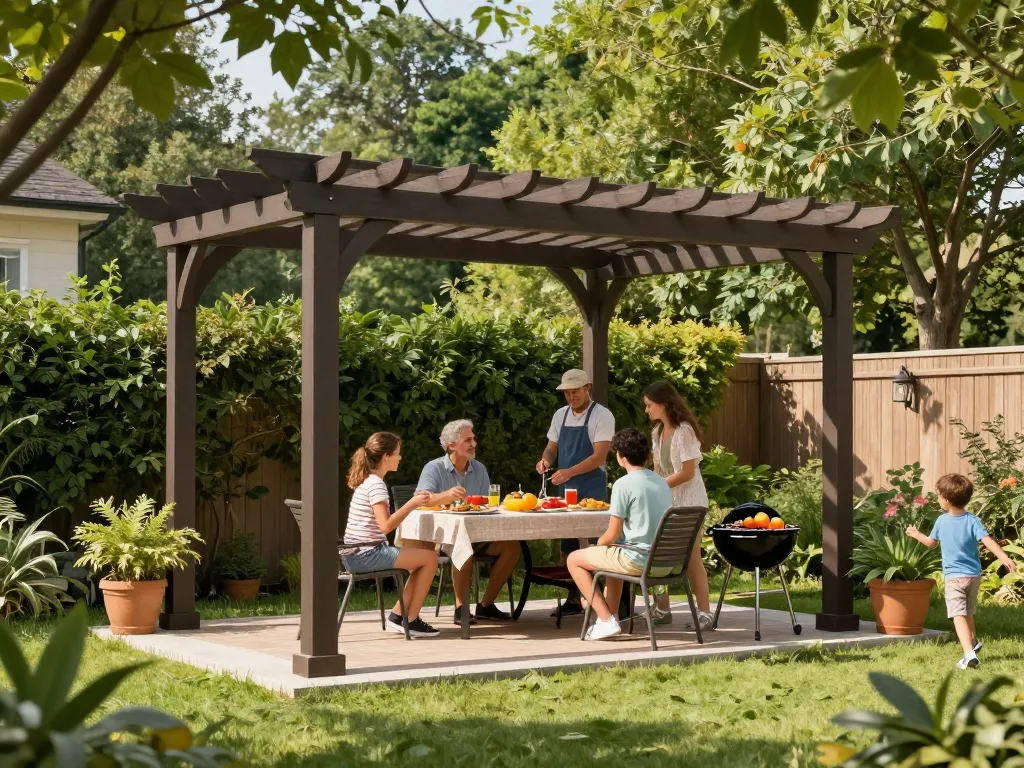
- Furniture: Ensure there is sufficient space for outdoor furniture, transforming the area into a lounge or dining space.
Utilizing Color and Texture for Visual Appeal
The right combination of colors and textures can significantly enhance the visual appeal of your pergola. Consider the following:
- Natural Finishes: Keep the wood’s natural grain visible for a rustic look, or opt for painted finishes that match your home.
- Textured Elements: Adding patterned fabric to canopies or cushions can add depth and interest to the overall design.
Tools and Software for 3D Pergola Creation
Leveraging the right tools can enhance your design process, allowing for precise customization and visualization. Here are some popular options:
Popular 3D Modeling Software Options
Some of the leading software used for creating 3D pergola designs includes:
- SketchUp: A user-friendly tool that allows for detailed 3D modeling with extensive libraries for materials and components.
- AutoCAD: A robust design tool favored by professionals for detailed architectural drawings and models.
- Revit: Best for complex structures, offering BIM capabilities for detailed design and planning.
Using Configurators to Simplify Design
Online configurators simplify the design process by allowing users to interactively design their pergola. These tools often provide:
- Pre-built Templates: Start with existing designs and customize them based on personal preferences.
- Instant Feedback: Changes are shown in real-time, allowing for quick adjustments.
Reviewing User Experiences and Case Studies
Insights from past projects can be invaluable when designing your own pergola. Look for case studies that demonstrate:
- Successful Designs: Learn from completed projects that align with your vision.
- User Feedback: Reviews and testimonials can provide insight into what works well and what to avoid.
Installation and Maintenance of 3D Pergolas
Once you have designed the ideal 3D pergola, understanding the installation and maintenance process is crucial for longevity and functionality.
Steps for Successful Installation
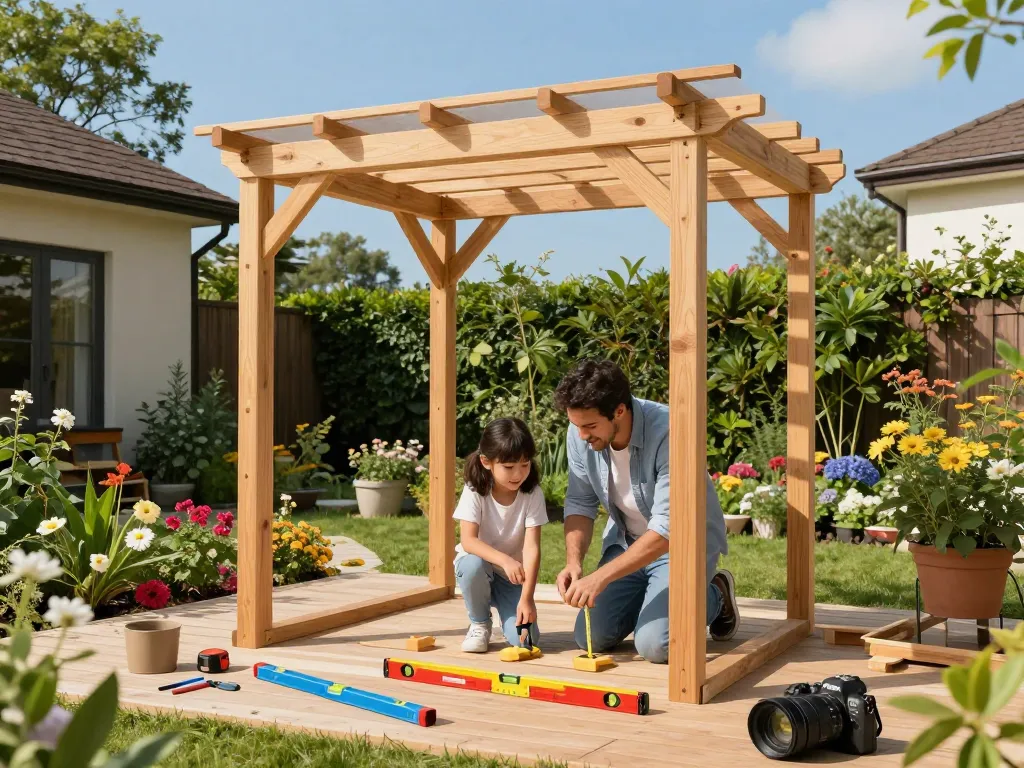
Installing a 3D pergola generally involves a series of steps:
- Site Preparation: Clear the area where the pergola will be installed and ensure the ground is level.
- Foundation Setup: Use concrete footings or anchors for stability, especially in windy areas.
- Assembly: Follow the design plans meticulously, assembling the structure as specified.
- Finishing Touches: Add any additional features like lighting or canopies after the main structure is assembled.
Routine Maintenance Tips for Longevity
To keep your 3D pergola looking great and functioning well, regular maintenance is key:
- Cleaning: Periodically wash surfaces to remove dirt, algae, and debris.
- Inspection: Regularly check for any signs of wear or damage, particularly for wooden structures.
- Sealing: Apply sealant to wooden structures to protect against moisture and UV damage.
Common Issues and Troubleshooting
Being aware of common issues can help you address them before they become serious problems:
- Rusting: In metal pergolas, ensure to reapply protective coatings as necessary.
- Wood Rot: Keep an eye out for discoloration or weakened sections in wooden pergolas.
- Stability Issues: Make sure all fittings are secure and that the foundation remains intact.
Future Trends in 3D Pergola Design
The outdoor living landscape is constantly evolving, with innovations in design and materials shaping the future of 3D pergolas.
Emerging Materials and Techniques
Future designs may incorporate the use of:
- Eco-friendly Materials: Sustainable resources will become increasingly popular as homeowners seek environmentally friendly options.
- Smart Technology: Integration of smart home systems for lighting and climate control will enhance functionality.
Environmental Considerations and Sustainability
As environmental awareness grows, pergola designs will increasingly focus on sustainability, including:
- Renewable Resources: Using sustainable timber and recyclable materials fosters eco-friendliness.
- Water Conservation: Incorporating rainwater collection systems into the design can promote sustainability.
Predictions for Backyard Living in 2026
By 2026, we can expect:
- More Integrated Spaces: Outdoor living areas will be designed as extensions of indoor spaces.
- Increased Customization: Homeowners will demand more bespoke options that reflect their individual tastes and needs.
What are the best materials for 3D pergolas?
When selecting materials, consider longevity, maintenance, and aesthetics. Common options include wood, aluminum, vinyl, and composite materials, each offering unique advantages based on your specific needs.
How can I customize my 3D pergola?
You can customize your 3D pergola by choosing the style, materials, colors, and functional features such as lighting, integrated seating, and canopy options that suit your outdoor space.
What tools can help in designing a 3D pergola?
Software like SketchUp, AutoCAD, and various online configurators can greatly aid in the design process, allowing users to visualize and customize their pergola before construction.
What maintenance does a 3D pergola require?
Regular maintenance involves cleaning, inspecting for damage, and treating materials appropriately to extend the life of your pergola.
Are 3D pergolas worth the investment?
Investing in a 3D pergola can significantly enhance your outdoor living space, offering both aesthetic and functional benefits that can increase the enjoyment and value of your home.