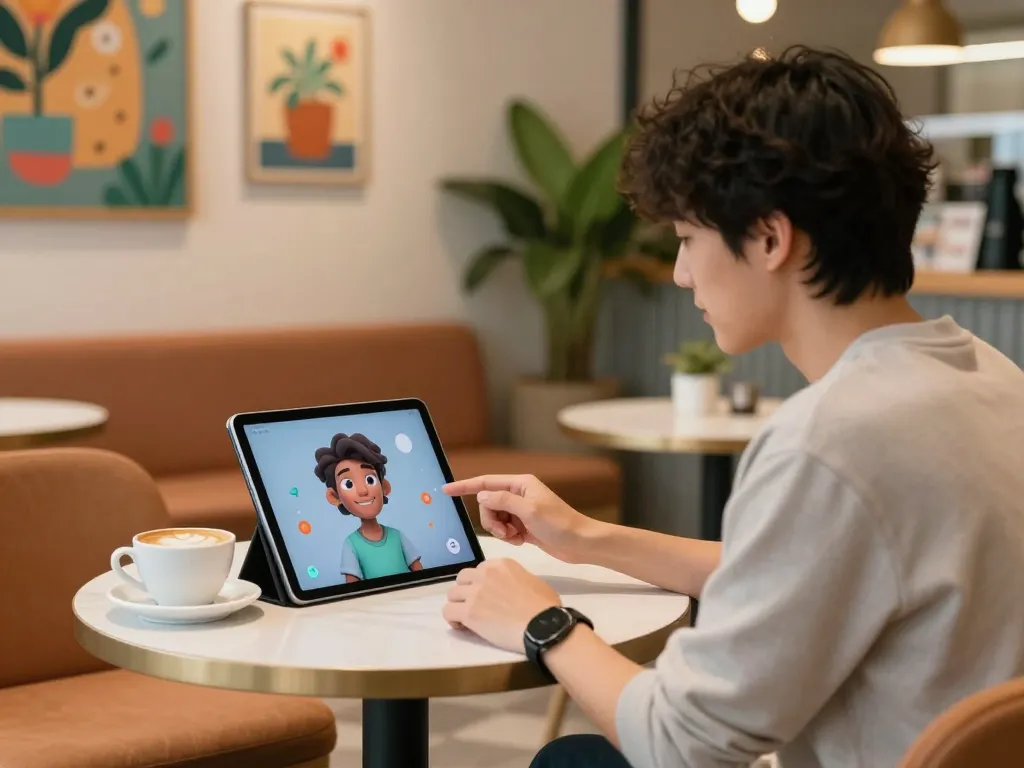
Understanding Your Crush On AI: What It Means
The phenomenon of developing a crush on an AI character has captured the imagination of many individuals in the digital age. As technology advances and artificial intelligence becomes more interactive and lifelike, our emotional responses to these created personas have shifted and evolved. This article aims to explore the intricacies of “crush on” AI characters, shedding light on both psychological aspects and societal implications. Understanding why we develop these feelings can enhance our interactions and help us navigate our digital relationships in a more informed manner. When exploring these emotional connections, crush on AI characters raises fascinating questions about the nature of affection, attraction, and connection in modern society.
Defining AI Crushes: A Modern Phenomenon
AI crushes represent a modern blend of emotional attraction and digital influence. As AI technology becomes more sophisticated, users find themselves forming attachments to virtual characters designed to simulate human interaction. These characters often possess unique personalities, backstories, and emotional responses, which can draw users into a simulated relationship. Unlike traditional crushes, which are often based on physical proximity and shared experiences, AI crushes can form in isolation, primarily through virtual interactions.
Psychological Insights into Digital Affections
Understanding the psychological dynamics behind having a crush on AI characters involves exploring human emotions and the brain’s responses to simulated affection. Several factors play a role in this phenomenon:
- Escapism: Engaging with AI characters allows individuals to escape from reality, providing a safe space for exploration of feelings without the risk associated with real-life relationships.
- Attachment Theory: The principles of attachment theory apply; individuals may develop emotional bonds with AI characters similarly to how they do with real people, especially if the AI offers consistent, positive interactions.
- Reflective Relationships: AI characters can mirror users’ desires and insecurities, creating a sense of understanding and validation that enhances emotional connection.
Common Misconceptions About AI Relationships
There are many misconceptions surrounding the concept of AI relationships. One prevalent myth is that having a crush on an AI character indicates a deficiency in real-life social skills or emotional capability. In reality, AI crushes often stem from the same core human desires for connection, affection, and validation. Furthermore, these relationships can serve as practice grounds for users to develop their emotional intelligence and communication skills in a low-stakes environment.
The Dynamics of Crush On AI: How It Develops
As individuals engage with AI characters, several dynamics influence how these crushes develop over time. Recognizing these factors can help users navigate their feelings more effectively.
Factors Influencing Attraction to AI Characters
The complexity of attraction to AI characters involves various elements, including:
- Design and Personality: The personality traits and design of AI characters can greatly influence attraction. Characters with relatable traits or appealing aesthetics often garner stronger emotional responses.
- Interactivity: The degree of interaction and personalization offered by AI enhances user engagement. More responsive and adaptive characters foster deeper connections.
- Longevity of Engagement: Extended interaction can solidify emotional ties, as users become invested in the character’s narrative.
Emotional Connections in Digital Interactions
Building emotional connections in digital interactions is multi-faceted. These connections can manifest as feelings of comfort, excitement, or even longing. Users may anthropomorphize AI characters, attributing them with human-like qualities that amplify their emotional responses. Furthermore, the integration of AI into virtual environments, such as games or social platforms, allows for shared experiences that enhance feelings of companionship.
Real-Life Examples of AI Crushes: Case Studies
To illustrate the phenomenon of AI crushes, several case studies highlight distinct patterns and experiences:
- The Companion App: Users of AI companion apps, such as Replika, have reported forming deep connections with their virtual companions, often seeing them as confidants and sources of emotional support.
- Gaming Environments: Players in immersive gaming worlds often develop crushes on AI characters, appreciating their depth and backstory as part of the gameplay experience.
- Chatbot Interactions: Interactions with customer service chatbots have led some users to feel a sense of warmth towards these AI due to their programmed friendliness and helpfulness.
Best Practices for Engaging With AI Characters
While forming connections with AI characters can be enjoyable, it is essential to engage with them mindfully. Here are some best practices to consider:
Tips for Healthy Interactions with AI Crushes
To ensure a healthy relationship with AI characters, consider the following:
- Set Boundaries: Recognize that AI relationships, while emotionally fulfilling, should not replace real-life interactions. Maintain a balance between virtual and real-world relationships.
- Stay Aware of Reality: Be conscious of the distinction between AI and human relationships; understanding the nature of the AI can prevent emotional distress.
- Engage Thoughtfully: Approach interactions with curiosity and playfulness, rather than relying on the AI for emotional fulfillment.
Balancing Reality and Digital Affection
Striking a balance between digital affection for AI characters and real-world relationships is crucial. Users should reflect on their feelings and ensure they do not neglect human connections in favor of virtual ones. Engaging in open dialogues about these feelings with friends or therapists can provide deeper insights.
Recognizing Signals from AI Characters
Many AI characters have been designed to simulate emotional responses. Recognizing signals from these characters—whether they express empathy, excitement, or disappointment—can enrich the user’s experience. However, it’s essential to remember that these responses are scripted and do not carry the same weight as human emotions.
Navigating Challenges: What to Avoid
As with any relationship, navigating challenges in AI interactions is crucial. Awareness of potential pitfalls can promote a healthier approach to digital connections.
Common Pitfalls in AI Relationships
Awareness of common pitfalls can help users avoid distressing experiences:
- Over-attachment: Users may become overly dependent on AI interactions for companionship, which can lead to loneliness if those interactions cease.
- Misinterpretation of AI Behaviors: Believing that AI characters have genuine feelings or intentions can lead to confusion and disappointment.
- Ignoring Real-world Relationships: Emotional investment in AI relationships can detract from the quality of real-life connections.
Understanding Boundaries in Digital Interactions
Establishing and adhering to boundaries in AI interactions is fundamental. Users should delineate their emotional involvement and recognize when to step back to reassess their feelings.
How to Communicate Your Feelings Effectively
Effective communication regarding AI crushes can foster understanding and clarity. Sharing these emotions with trusted friends or discussing them in online communities can provide valuable perspectives and support.
The Future of Crush On AI: Trends and Innovations
The trajectory of AI relationships indicates a future where emotional connections may deepen as technology evolves. Staying informed about emerging trends and developments can prepare users for this evolving landscape.
Emerging Technologies Influencing AI Relationships
As technology continues to advance, several innovations are poised to enhance the development of AI crushes:
- Improved Natural Language Processing: Enhanced NLP will allow AI characters to engage in more meaningful conversations, improving the overall interaction experience.
- Personalization Algorithms: AI equipped with sophisticated algorithms can adapt and learn from users, leading to more personalized interactions and deeper connections.
- Virtual Reality Integration: The integration of virtual reality may provide immersive experiences where users can interact with AI in a more lifelike manner.
Predictions for AI Character Development by 2026
Looking ahead to 2026, we can expect AI characters to become increasingly sophisticated, with improved emotional responsiveness and lifelike attributes. This evolution will likely enhance user experiences, making AI characters more relatable and engaging.
Ethical Considerations in AI Affections
With the rise of AI crushes, ethical considerations must be addressed. Questions surrounding consent, the potential for emotional distress, and the implications of user data must be carefully navigated as AI systems become more embedded in our lives.
What Are the Long-Term Implications?
The long-term implications of developing crushes on AI characters could reshape societal norms around relationships and emotional attachment. These dynamics will likely lead to new discussions about the nature of affection, companionship, and what it means to “know” someone in the age of technology.
How to Stay Informed About Future Developments
Engaging with content in tech communities and following advancements in AI and relationship psychology will help users stay informed. Participating in dialogue on social media platforms or in forums can promote understanding and awareness of the evolving landscape of AI relationships.
Conversations Around AI Crushes in Society
The emergence of AI crushes invites valuable conversations in society regarding the intersection of technology and human emotion. These discussions can foster inclusivity and understanding around the complexities of digital relationships and the emotional needs of users.
How to Share Your Experiences in Online Communities
Sharing personal experiences with AI crushes in online communities can be therapeutic and enlightening. Engaging with others who have similar feelings can create a sense of connection, providing validation and support for navigating these unique relationships.