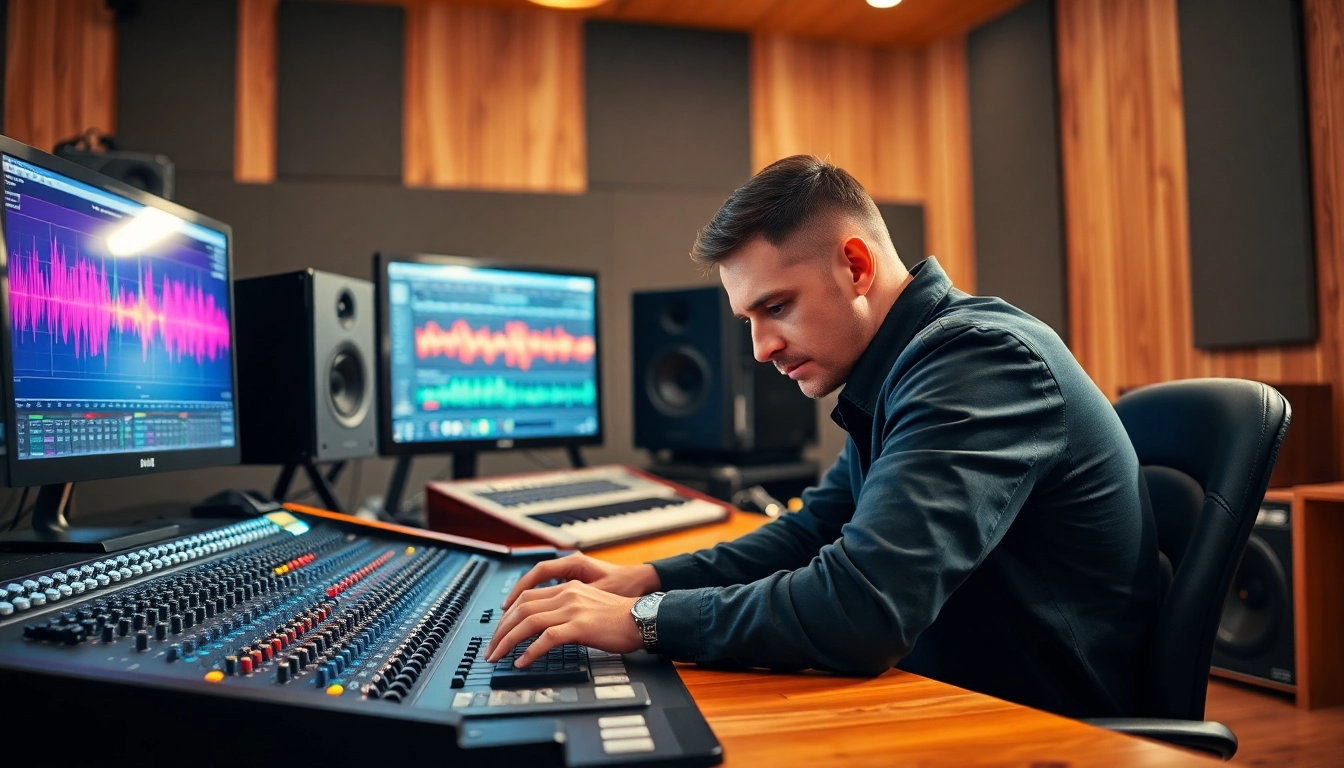
Understanding the Importance of Online Audio Mastering
In the modern music landscape, the quality of sound can make or break a track. One essential process that ensures top-notch audio is online audio mastering. This process involves finalizing and preparing your music for distribution, ensuring it sounds polished and professional across various playback systems. Understanding its importance is crucial for both musicians and producers aiming for commercial success.
What is Online Audio Mastering?
Online audio mastering is the final step in the music production process. It involves taking a mixed audio track and applying various techniques to enhance its sound quality. These techniques include equalization, compression, limiting, and adding final touches to ensure the track translates well across all audio platforms, from streaming services to vinyl records. Unlike traditional mastering, which typically requires in-studio sessions, online audio mastering allows artists to upload their work to mastering service platforms, making the process more accessible and convenient.
Key Benefits for Musicians and Producers
Using online audio mastering offers multiple benefits that can significantly enhance the quality of a music project:
- Cost-Effective: Online services tend to be cheaper than hiring a professional in-person mastering engineer, making it an attractive option for independent musicians.
- Convenience: Remote access allows for flexibility; artists can submit tracks from anywhere and receive mastered files back within a short turnaround time.
- Variety of Options: Musicians can choose from numerous online platforms, each offering different styles, techniques, and pricing, enabling tailored results to match their artistic vision.
- Quick Feedback: Many platforms allow users to get quick revisions, streamlining the process of achieving the desired sound.
Common Misconceptions about Mastering
Despite its critical role in music production, many misconceptions surround online audio mastering:
- Mastering is the Same as Mixing: While mixing is about balancing individual elements in a track, mastering is about finalizing the overall sound and ensuring that it stands out across playback systems.
- It Doesn’t Matter Who Masters Your Track: The skill and experience of the mastering engineer can significantly affect the final sound quality. It’s essential to choose a competent service.
- Mastering Can Fix Bad Mixes: Mastering cannot salvage a poorly mixed track. It’s crucial to ensure your mix is as polished as possible before sending it for mastering.
The Online Audio Mastering Process Explained
Pre-Mastering Checklist for Quality Results
Before sending your track for online audio mastering, consider the following pre-mastering checklist to ensure the best results:
- Mixed at Standard Levels: Ensure your mix isn’t peaking above -6dB. This provides mastering engineers with the headroom necessary for adjustments.
- Use Reference Tracks: Compare your mix against commercial tracks in a similar genre to gauge frequency balance and overall loudness.
- Export at High Resolution: Send your track at the highest resolution possible; 24-bit WAV files are typically preferred.
- Check Stereo Imaging: Ensure your mix has a balanced stereo field before submission.
Step-by-Step Guide to Online Audio Mastering
The actual online audio mastering process can be broken down into several key steps:
- Choose a Mastering Service: Research online platforms that suit your genre and budget.
- Upload Your Track: Submit your audio file along with any specific instructions or references.
- Receive Your Master: After a brief waiting period, you will receive your mastered track, often with options for revision.
- Review and Download: Listen to your master on various playback systems to ensure quality.
Choosing the Right Platforms for Mastering
When selecting an online audio mastering platform, consider the following factors:
- Quality of Service: Read reviews and user testimonials to gauge the quality of masters produced by the platform.
- Revisions Policy: Look for services that offer a revision policy to make adjustments based on your feedback.
- Turnaround Time: Evaluate average turnaround times, especially if you’re on a tight schedule.
- Pricing Structure: Ensure their pricing aligns with your budget without compromising quality.
Tools and Techniques for Effective Online Audio Mastering
Essential Software and Plugins to Consider
Various software and plugins can be used during online audio mastering. Here’s a selection of tools typically favored by mastering engineers:
- Digital Audio Workstations (DAWs): Programs like Pro Tools, Logic Pro, and Ableton Live are essential for preparing your track.
- Mastering Plugins: Look for plugins that specialize in mastering, such as iZotope Ozone and Waves L2 Ultramaximizer.
- Metering Tools: Software like Youlean Loudness Meter can help analyze your track’s loudness and dynamics to ensure compliance with streaming standards.
Techniques to Enhance Your Mastering Quality
The following techniques can help elevate the quality of your mastering process:
- Equalization (EQ): Use EQ to sculpt the tonal balance of your track, ensuring clarity and presence.
- Compression: Apply compression subtly to control dynamics and add consistency across your track.
- Limiting: Utilize a limiter to increase the overall loudness while preventing clipping, which is vital for streaming platforms.
- Sound Field Control: Employ stereo imaging techniques to enhance the spatial quality of your mix.
Common Pitfalls to Avoid During Mastering
To ensure a successful online audio mastering process, avoid these common pitfalls:
- Over-Compression: Excessive compression can lead to a lifeless track; strike a balance for dynamic sound.
- Poor Quality Mixes: A good master starts with a good mix—don’t shortcut the mixing stage.
- Ignoring Platform Standards: Failing to adhere to the loudness and quality standards set by streaming platforms can affect the listening experience.
Best Practices for Successful Online Audio Mastering
Tips for Preparing Your Tracks for Mastering
Proper preparation can set the foundation for successful online audio mastering:
- Consolidate Your Tracks: Ensure all your tracks are consolidated and properly labeled for the mastering engineer.
- Remove Unused Elements: Eliminate any unnecessary tracks or layers that don’t contribute to the final mix.
- Test Playback on Various Systems: Check how your mix sounds on different sound systems, from high-end speakers to earbuds.
Collaborating with Online Mastering Engineers
Collaboration is key to achieving the desired sound during online audio mastering. Consider these tips:
- Provide Clear Instructions: Be specific about your vision for the final track, including desired loudness and references.
- Maintain Open Communication: Engage in dialogue with the mastering engineer to clarify any changes during the process.
- Stay Open to Feedback: Be prepared to accept constructive criticism, as it can enhance the overall quality of your project.
Evaluating Metadata and File Formats
Ensuring that your metadata and file formats are correct is vital. Here’s what to consider:
- Choose the Right Format: WAV or AIFF files are preferred for high-quality audio. MP3s are suitable for previews.
- Include Metadata: Properly input metadata such as artist name, track title, and genre to ensure your track is correctly cataloged.
- Final Checks: Review everything before submission to avoid errors that can delay the release of your music.
Measuring the Success of Your Online Audio Mastering
Analyzing Listener Feedback and Satisfaction
Listener feedback is a valuable metric for determining the success of your mastered track:
- Utilize Surveys: Conduct listener surveys to glean insights on their overall experience with your music.
- Engage with Fans: Look at comments and messages constructively to understand their perceptions of the audio quality.
- Reflection: Use positive and negative feedback to tweak future mastering strategies for better outcomes.
Metrics to Track for Mastering Performance
To assess the performance of a track, keep an eye on these critical metrics:
- Streaming Counts: Track the number of streams across platforms to analyze your song’s reach.
- Engagement Rates: Look at likes, shares, and comments as indicators of listener satisfaction and interest.
- Chart Rankings: Monitor chart positions to see how your track competes within your genre.
Making Improvements Based on Data Insights
After gathering performance metrics, it’s essential to act on insights:
- Identify Trends: Look for patterns in listener feedback to identify areas for improvement in future projects.
- Refine Your Approach: Continuously adjust your online audio mastering techniques based on what resonates with audiences.
- Stay Informed: Keep up-to-date with industry trends and audio mastering advancements to maintain a competitive edge.
FAQs about Online Audio Mastering
What is the difference between mixing and mastering?
Mixing focuses on balancing individual audio tracks, while mastering is the final polish applied to the complete mix, ensuring it’s optimized for different playback systems.
How long does online audio mastering take?
Turnaround times vary by service, but many offer results within a few hours to a couple of days, depending on the complexity and whether revisions are needed.
Can I master my own music online?
Yes, many DIY mastering tools exist, but for best results, professional mastering services are recommended. They provide expertise in achieving the highest sound quality.
What file format should I send for mastering?
It’s best to send high-resolution files in WAV or AIFF format. Avoid compressed formats like MP3 to ensure the best quality for mastering.
Is mastering necessary for all music releases?
While not legally required, mastering is highly recommended as it enhances the sonic quality of a track, making it competitive in the commercial music market.