
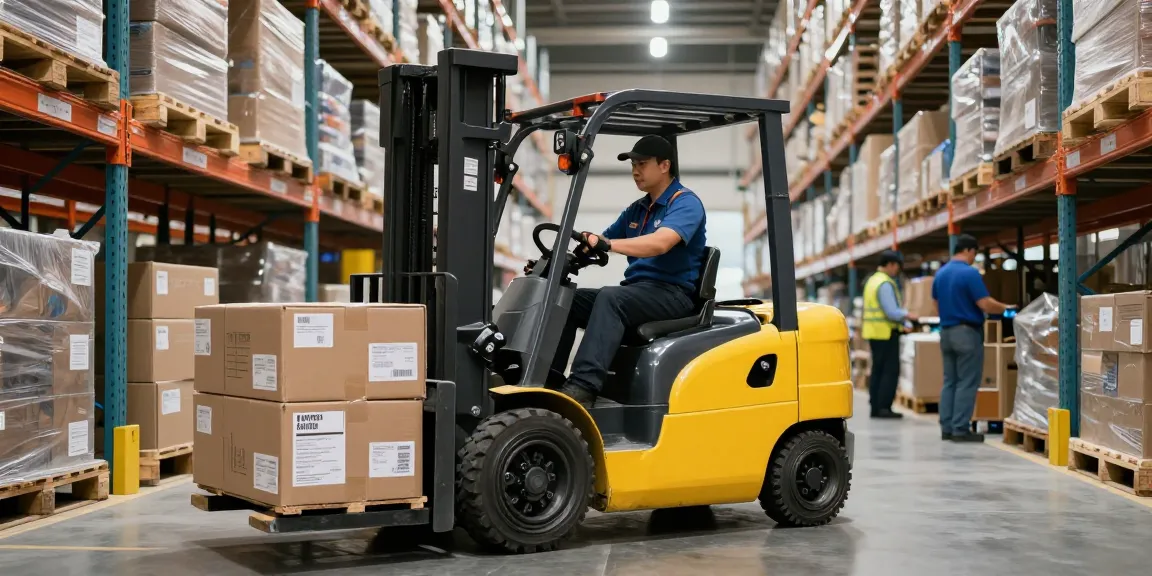
The Importance of Forklifts in Modern Warehousing
In an era where efficiency and safety in warehouse operations are paramount, the role of forklifts cannot be overstated. Forklifts are essential for material handling, enabling warehouses to optimize their operations by moving heavy loads quickly and effectively. With advancements in technology, especially regarding electric forklift models, warehouses are experiencing a transformation that enhances productivity, reduces labor costs, and improves safety standards.
Why Electric Forklifts Are Increasingly Popular?
Electric forklifts have gained significant traction in modern warehouses due to their efficiency and environmental benefits. Unlike their diesel counterparts, electric forklifts produce no harmful emissions, making them ideal for indoor use where air quality is a concern. Furthermore, they operate more quietly, reducing noise pollution in bustling warehouse environments.
The latest electric forklift models are designed with advanced technology, improving performance metrics such as battery life and lifting capacity. Companies are transitioning to these electric models not only to comply with environmental regulations but also to take advantage of lower operational costs associated with electricity compared to diesel fuel.
Benefits of Forklifts Over Manual Lifting
Using forklifts for lifting and transporting materials offers numerous advantages over manual methods. Here are some critical benefits:
- Efficiency: Forklifts can move more material in less time compared to manual labor.
- Safety: Reducing the need for manual lifting minimizes the risk of injury to employees.
- Versatility: Forklifts can handle various loads, from pallets to bulk materials, adapting to the specific needs of different operations.
- Labor Savings: Automating material handling tasks can cut down on labor costs while increasing throughput.
Key Features to Look for in a Quality Forklift
When selecting a forklift, it’s vital to consider specific features that align with your operational needs:
- Lifting Capacity: Ensure that the forklift can handle the weight of your heaviest loads.
- Battery Life: Look for models with extended battery run times for optimal efficiency.
- Safety Features: Choose forklifts equipped with safety technologies such as stability control and automatic shut-off systems.
- Durability: Opt for models constructed with robust materials to withstand the demands of a busy warehouse environment.
Choosing the Right Forklift for Your Needs
Selecting the appropriate forklift for your warehouse requires careful consideration of your layout, load types, and operational requirements. Understanding these elements can help ensure that you invest in a machine that meets your unique needs while maximizing efficiency.
Assessing Your Warehouse Layout and Space
The first step in choosing a forklift is to evaluate your warehouse layout. Measure aisle widths, ceiling heights, and door sizes to determine what type of forklift will fit and operate effectively. Narrow aisle forklifts are excellent for limited spaces, while larger models may be necessary for wide-open areas.
Weight Capacity Considerations for Forklifts
Assessing the weight of the loads you typically handle is crucial when selecting a forklift. Make sure to choose a model that meets or exceeds your highest weight requirements. Overloading a forklift can lead to safety hazards and equipment damage, so knowing your needs upfront eliminates potential issues down the line.
Forklift Types: Which One Is Right for You?
There are various types of forklifts available, each designed for specific applications:
- Counterbalance Forklifts: Ideal for general use, these forklifts are balanced with the weight of the load, allowing for excellent maneuverability.
- Narrow Aisle Forklifts: Perfect for tight spaces, these models allow for efficient movement in narrow aisles.
- Reach Forklifts: Designed for high stacking, reach forklifts can extend their forks forward to handle loads at height.
- Electric Forklifts: Offer environmentally friendly operation, ideal for indoor use due to their quiet and emission-free performance.
Best Practices for Forklift Operation
Utilizing forklifts effectively goes beyond mere selection; it also involves following best practices for operation and maintenance to ensure safety and efficiency.
Forklift Safety Protocols You Can’t Ignore
Ensuring the safety of your workforce is paramount when operating forklifts. Adhering to these safety protocols can significantly reduce the risk of accidents:
- Conduct regular safety training sessions for operators.
- Perform daily inspections to ensure equipment is in good working condition.
- Implement clear signage and designated pathways in the warehouse.
- Establish a policy for reporting and addressing safety concerns promptly.
How to Train Employees for Effective Forklift Use
Proper training is essential to enhance safety and efficiency in forklift operation. Training programs should cover the following:
- The mechanics of the forklift and its operational functions.
- Safety regulations and protocols.
- How to handle various loads and navigate warehouse obstacles.
- Emergency procedures and maintenance basics.
Maintenance Tips for Longevity of Your Forklift
Regular maintenance is crucial to ensure the longevity and performance of your forklift. Here are some essential maintenance tips:
- Schedule routine inspections and servicing.
- Keep the battery charged and maintain fluid levels.
- Inspect tires for wear and proper inflation.
- Clean the forklift regularly to prevent buildup of debris and contaminants.
Future Trends in Forklift Technology
The landscape of material handling is evolving, with new technologies paving the way for enhanced efficiency and safety. Understanding these trends can position your operations to take advantage of upcoming advancements.
Forklift Automation and Robotics Outlook for 2026
Automation is set to revolutionize forklift operations by reducing the need for manual input. Automated guided vehicles (AGVs) and robotic forklifts are on the rise, allowing for continuous operation with minimal human intervention. These technologies can improve efficiency, reduce labor costs, and enhance safety.
Impact of IoT on Forklift Efficiency and Safety
The Internet of Things (IoT) is transforming how forklifts function within warehouse systems. IoT-enabled forklifts provide real-time data on performance metrics, allowing for better fleet management, predictive maintenance, and enhanced operational insights. This connectivity enhances both safety and efficiency by enabling operators to react to issues proactively.
Embracing Sustainable Practices with Electric Forklifts
As sustainability becomes a more significant focus, companies are increasingly adopting electric forklifts to reduce their carbon footprint. With advancements in battery technology, electric forklifts offer longer operational times and faster charging, making them a viable alternative to traditional gas-powered models.
Real-World Case Studies on Forklift Efficiency
Examining real-world implementations can provide valuable insights into maximizing forklift utilization and understanding potential challenges.
Success Stories: Companies Maximizing Forklift Usage
Several organizations have successfully optimized their warehouse operations through effective forklift usage. For instance, a major retail distribution center transitioned to electric forklifts, resulting in a 30% increase in productivity and a significant reduction in energy costs.
Common Challenges in Forklift Implementation
Implementing forklift systems is not without challenges. Some common issues include:
- Ensuring proper training and certification for operators.
- Managing space constraints in smaller warehouses.
- Maintaining consistent performance standards across different shifts.
Measuring Success: Metrics for Forklift Performance
To evaluate the effectiveness of your forklift operations, consider tracking key performance indicators (KPIs) such as:
- Throughput rates: The amount of goods moved per hour.
- Accident rates: Monitoring safety incidents to improve protocols.
- Utilization rates: The percentage of time forklifts are in use compared to idle time.
What are the benefits of using electric forklifts?
Electric forklifts provide numerous benefits, including lower operational costs, reduced emissions, and enhanced safety features. Their design is focused on improving efficiency while minimizing environmental impact.
How can I improve forklift safety in my warehouse?
Improving forklift safety involves regular training, implementing strict safety protocols, and ensuring that all equipment is well-maintained. Engaging employees in safety discussions can also contribute to a safer work environment.
What maintenance is required for electric forklifts?
Electric forklifts require routine checks on the battery, tires, and overall functionality. Scheduling regular maintenance inspections helps ensure optimal performance and longevity of the equipment.
How do I choose the right forklift for my warehouse?
Choosing the right forklift involves assessing your warehouse layout, understanding load capacities, and identifying the specific type of forklift that best suits your operational needs.
What are the future trends for forklifts in 2026?
Future trends include increased automation, IoT integration for enhanced performance monitoring, and a continued shift towards eco-friendly electric models to meet sustainability goals.
