
Understanding Sports Broadcasting
What is Sports Broadcasting?
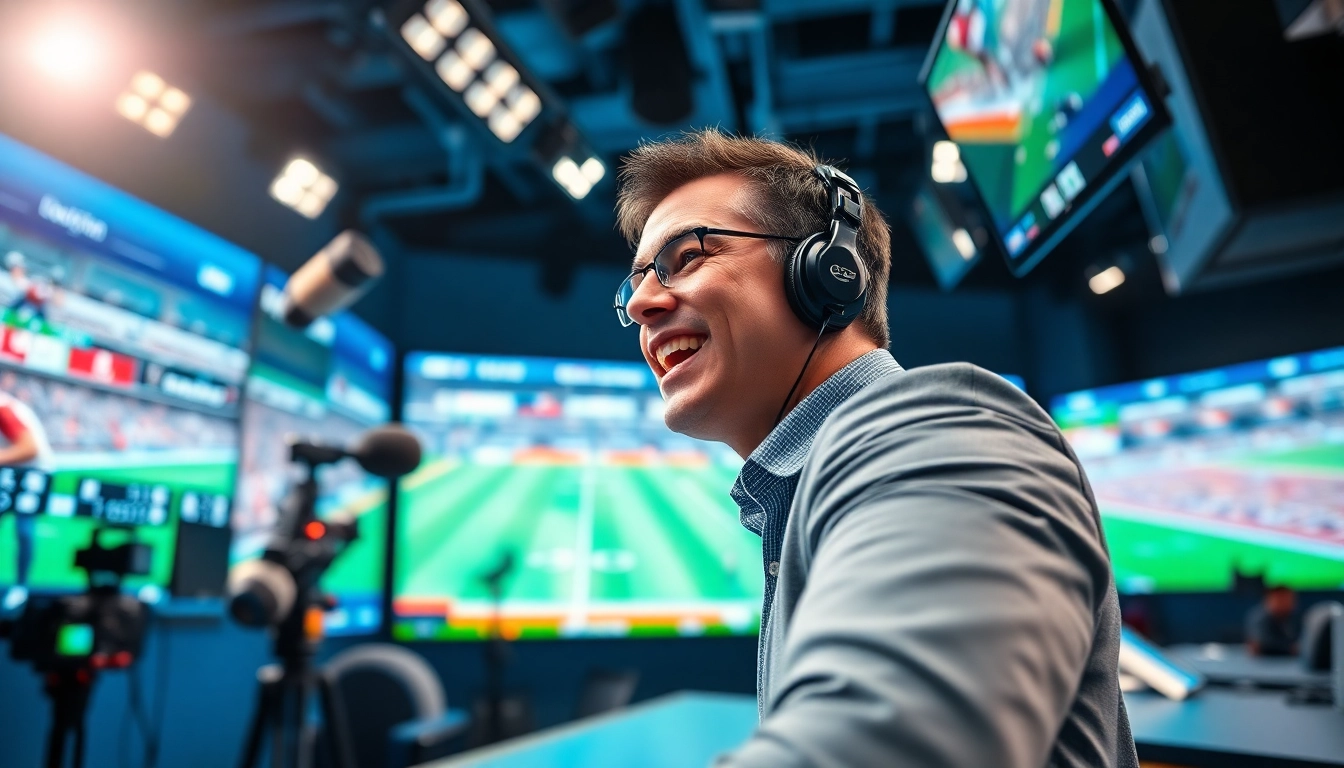
Sports Broadcasting refers to the live or recorded airing of sports events on various platforms, including television, radio, and streaming services. This dynamic field combines entertainment with journalism, aiming to deliver engaging and informative content to sports enthusiasts. Whether it’s a live football match or a comprehensive analysis of a recent game, sports broadcasting plays a crucial role in shaping public perception and understanding of sports. The primary goal is to connect fans with their favorite sports and athletes while providing insightful commentary and analysis. For more information on the topic, refer to Sports Broadcasting resources.
The Evolution of Sports Broadcasting
The journey of sports broadcasting began in the early 20th century with radio broadcasts of major sporting events. As technology advanced, television transformed how audiences consumed sports content, bringing games directly into households. The introduction of color television in the 1960s added an immersive viewing experience, captivating wider audiences. The advent of cable television further diversified content, allowing channels dedicated solely to sports to emerge.
Today, digital platforms have revolutionized sports broadcasting, enabling viewers to watch events on-demand and providing access to a global audience. Streaming services have further disrupted traditional broadcasting models, offering alternatives to conventional cable packages and personalized viewing experiences. The evolution continues as new technologies and platforms arise, reshaping how sports are distributed and viewed in the digital age.
Key Components of Sports Broadcasting
Sports broadcasting encompasses several key components that contribute to its overall effectiveness:
- Production Quality: High-quality video and sound are paramount in delivering a premium sports experience. The use of advanced camera technologies, drones, and multi-angle viewing options enhance the visual appeal of broadcasts.
- Commentary and Analysis: Expert commentators and analysts provide insights, live commentary, and background information that enrich the viewer’s experience. Their knowledge elevates the content and keeps audiences engaged.
- Advertising and Sponsorship: Commercial partnerships are integral to funding sports broadcasting. Strategic advertising placements not only generate revenue but also enhance the broadcast by connecting brands with active viewers.
- Interactive Features: Innovations such as real-time statistics, interactive polls, and viewer participation enhance audience engagement. Providers are increasingly using social media and apps to create dialogue with fans.
- Distribution Channels: Understanding and utilizing multiple distribution channels, from traditional broadcasting to online streaming, is crucial for reaching a diverse audience. Each channel has unique characteristics that influence content delivery.
Current Trends in Sports Broadcasting
Technological Innovations
As technology continues to advance, sports broadcasting is at the forefront of adopting new innovations. Key trends include:
- 4K and HDR Broadcasting: High-definition broadcasting enhances the viewing experience, providing stunning visuals that bring life to athletic performance and stadium atmosphere.
- Augmented and Virtual Reality: AR and VR technologies allow fans to experience games in immersive environments, offering unique perspectives and interactive event participation.
- AI and Machine Learning: These technologies can analyze vast amounts of data to enhance commentary, create automated highlights, and personalize user experiences. Predictive analytics can also assist in content creation and distribution strategies.
- Mobile Viewing: As viewers increasingly consume content on mobile devices, broadcasters are optimizing their offerings for smartphones and tablets. This shift necessitates responsive designs and app accessibility.
- Blockchain Technology: This emerging technology offers transparency in ticket sales, merchandise purchases, and streaming rights, potentially revolutionizing income streams in the sports industry.
Viewership and Audience Engagement
Understanding viewership patterns is vital for broadcasters. Key strategies include:
- Targeted Marketing: By analyzing viewership data, broadcasters can tailor their marketing efforts to specific demographics, ensuring content resonates with varied audience segments.
- Multi-Platform Engagement: Meeting audiences where they are—whether on social media, apps, or traditional television—ensures higher engagement levels. Cross-platform promotion can drive traffic and increase viewership.
- Fan Interaction: Engaging with fans through social media, live chats, and direct responses to comments promotes loyalty and creates a robust community around sports broadcasts.
- Personalized Content: Leveraging analytics to provide personalized highlights, notifications, and recommendations can enhance the viewer experience and maintain audience interest over time.
Sustainable Practices in Sports Broadcasting
As sustainability becomes a priority, sports broadcasters are exploring eco-friendly practices:
- Green Broadcasting: This includes minimizing resource consumption during productions by utilizing energy-efficient equipment and reducing waste.
- Digital Content Distribution: Shifting from physical media to digital broadcasting reduces carbon footprints associated with manufacturing and distributing physical products.
- Social Responsibility Initiatives: Many broadcasters are partnering with environmental organizations to promote awareness and create initiatives aimed at addressing climate change.
Challenges in Sports Broadcasting
Content Distribution Issues
Content distribution remains a significant hurdle in sports broadcasting. Challenges such as copyright infringement, congested server capacities during major events, and the complexities of international broadcasting rights complicate the landscape. Broadcasters must navigate these challenges carefully while ensuring content remains accessible and engaging to diverse audiences. Establishing clear contracts, investing in robust IT infrastructure, and maintaining transparent communication with stakeholders are crucial steps to mitigate these challenges.
Regulatory and Legal Considerations
Regulations regarding content rights, broadcasting licenses, and tariffs vary significantly across regions. Broadcasters must comply with local laws while negotiating rights and partnerships. Legal issues such as broadcasting exclusivity, anti-piracy measures, and fair advertising practices add layers of complexity. Engaging legal expertise can help broadcasters navigate this landscape effectively, ensuring compliance without compromising their business objectives.
Competition for Viewership
The sports broadcasting landscape is rife with competition, not only from traditional broadcasters but also from streaming services and social media platforms. Viewers have myriad choices, forcing broadcasters to continuously innovate. Understanding audience preferences, staying ahead of technology trends, and delivering unmatched content quality are essential strategies to stand out. Partnerships with social media platforms for live content distribution can also capture audiences that prefer alternative viewing methods.
Best Practices for Sports Broadcasting
Enhancing Viewer Experience
Delivering a superior viewer experience is paramount. Broadcasters should:
- Prioritize High Production Values: Invest in top-notch equipment and skilled production teams to ensure broadcasts are visually appealing and professionally executed.
- Engage During Off-Hours: Maintain viewer engagement during off-seasons by providing regular updates, expert analysis, and behind-the-scenes content.
- Offer Multiple Viewing Options: Whether it’s diverse camera angles, commentary languages, or customizable feeds, providing flexibility caters to individual viewer preferences.
Leveraging Social Media
Social media platforms have become vital in promoting broadcasts. Best practices include:
- Real-Time Interaction: Engage viewers during live broadcasts through live-tweeting, polls, and Q&A sessions to foster community engagement.
- Content Teasers: Share clips, behind-the-scenes footage, and interviews to generate anticipation ahead of broadcasts.
- Collaborate with Influencers: Partnering with sports influencers can broaden reach and enhance credibility within target demographics.
Quality Content Production Strategies
Quality content is critical for retaining viewers. Effective strategies include:
- Narrative Storytelling: Craft compelling stories around games and athletes, allowing audiences to connect emotionally with the content.
- Data-Driven Insights: Use analytics to guide content strategies, ensuring what is produced aligns with viewer interests and preferences.
- Continuous Feedback Loop: Establish channels for audience feedback to continuously refine content and delivery mechanisms.
Measuring Success in Sports Broadcasting
Key Performance Indicators (KPIs)
Measuring the success of sports broadcasts requires establishing clear KPIs, such as:
- Viewership Ratings: Monitor the number of viewers during live broadcasts to gauge overall interest and inform future programming decisions.
- Engagement Metrics: Track likes, shares, comments, and other interactions on social media platforms to assess viewer engagement.
- Advertising Revenue: Evaluate advertising metrics to determine the financial success of broadcasts and understand the potential for future partnerships.
Audience Feedback and Analytics
Utilizing audience feedback and analytics helps tailor content effectively:
- Surveys and Polls: Regularly solicit feedback on viewer preferences and experiences, adapting accordingly to meet their needs.
- Content Analytics Tools: Leverage analytics software to track viewing patterns and demographic information for informed decision-making.
- Social Listening: Monitor social media conversations around broadcasts to gauge public sentiment and address any concerns promptly.
Future Projections for Sports Broadcasting
The landscape of sports broadcasting is rapidly evolving, influenced by ongoing technological advances and changing viewer habits. Future projections suggest an increased focus on on-demand content, enhanced interactivity, and immersive experiences through VR and AR. As audiences demand more access to their favorite sports and personalities, broadcasters must remain agile and adapt their strategies to embrace these changes. The rise of e-sports and the integration of gamification into traditional sports viewing are also likely to reshape the landscape further.
FAQs
What is the role of technology in sports broadcasting?
Technology enhances viewer experience through high-definition visuals, interactive features, and better engagement. Innovations such as VR and AI are shaping the future of sports media.
How has social media impacted sports broadcasting?
Social media has transformed how sports are promoted and consumed, providing platforms for real-time interaction, content sharing, and targeted marketing strategies.
What are the main challenges in sports broadcasting?
Challenges include navigating content distribution rights, regulatory compliance, and competition for viewer attention across multiple platforms.
How can broadcasters enhance viewer engagement?
Broadcasters can enhance engagement by offering multiple viewing options, real-time interaction, and personalized content tailored to audience preferences.
What metrics are crucial for measuring sports broadcasting success?
Key metrics include viewership ratings, engagement metrics on social media, and advertising revenue, which inform future content and partnerships.